

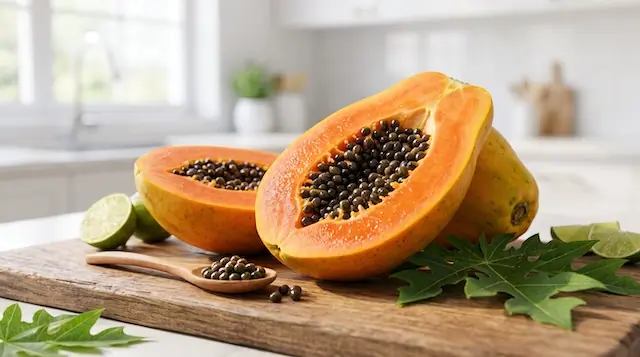
Papaya is widely known for its sweet taste and impressive nutritional value, but many people still wonder: can you eat papaya seeds safely? The answer is yes. Papaya seeds are edible and contain fiber, antioxidants, healthy fats, and natural plant compounds that may support digestive and overall health when consumed in moderation.
Although many people discard the seeds, they have gained attention for their potential wellness benefits, including digestive support and antioxidant protection. At the same time, questions remain about papaya seed side effects, safe serving sizes, and whether certain people should avoid them.
In this article, you will learn about the nutritional value of papaya seeds, their possible health benefits, potential risks, and the safest ways to include them in your diet.
Can You Eat Papaya Seeds Safely?
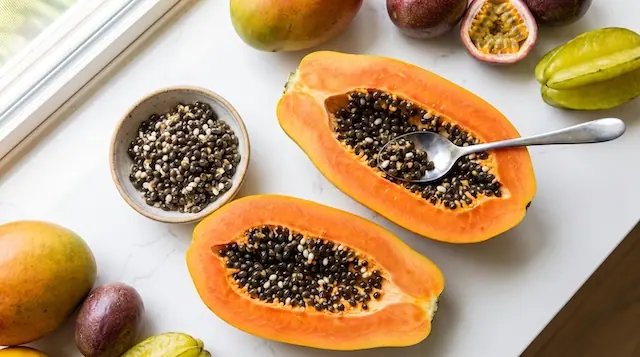
Yes, you can eat papaya seeds safely because they are edible and contain fiber, antioxidants, and healthy fats. Papaya seeds health benefits may include digestive support and antioxidant protection when they are consumed in moderation as part of a balanced diet.
Papaya seeds are the small black seeds found inside ripe papaya. Unlike the sweet fruit, they have a slightly bitter, peppery flavor and are often overlooked despite their nutritional value.
What Nutrients Do Papaya Seeds Contain?
Although small, papaya seeds provide several beneficial nutrients and plant compounds that contribute to their nutritional profile.
They contain:
- Dietary fiber that supports gut health
- Monounsaturated fats, including oleic acid
- Polyphenols and flavonoids that act as antioxidants
- Small amounts of minerals such as magnesium and calcium
- Natural plant compounds that help protect cells from oxidative stress
These nutrients make papaya seeds a nutritious addition to your diet when eaten in reasonable amounts.
How Can You Eat Papaya Seeds?
There are several simple ways to include papaya seeds in your meals. Because they have a strong flavor, most people use only a small quantity.
Common ways to eat papaya seeds include:
- Chewing a few raw seeds
- Blending them into smoothies
- Mixing them with yogurt
- Sprinkling crushed seeds over salads
- Drying and grinding them as a seasoning
If you are trying them for the first time, begin with a few seeds to see how your body responds.
Is It Safe to Eat Papaya Seeds Every Day?
For most healthy adults, eating small amounts occasionally is considered safe. However, consuming large quantities every day is not recommended because research on long term intake is still limited.
People who are pregnant, have latex allergies, take prescription medications, or have certain digestive conditions should speak with a healthcare professional before eating papaya seeds regularly.
Understanding both the benefits of papaya seeds and their potential risks allows you to enjoy them safely while avoiding unnecessary side effects.
According to research published in the National Center for Biotechnology Information (NCBI), papaya seeds contain antioxidant compounds that continue to be studied for their potential health effects.
What Are the Main Benefits of Papaya Seeds?
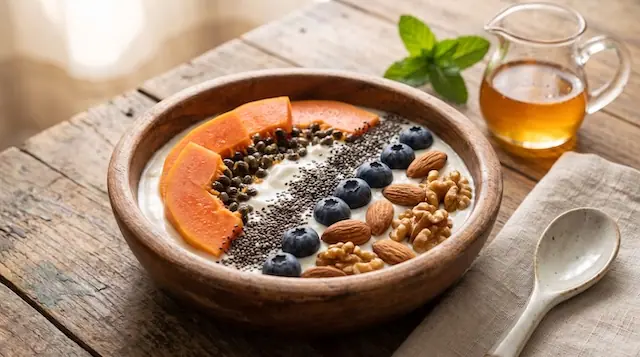
The main benefits of papaya seeds include digestive support, antioxidant protection, and healthy fat intake. Papaya seeds health benefits are linked to their fiber, polyphenols, flavonoids, and monounsaturated fats, which may help support gut health, immune function, and overall wellness when consumed in moderation.
Papaya seeds are nutrient dense despite their small size. They contain several bioactive compounds that researchers continue to study for their potential role in supporting long term health.
Support Digestive Health
Papaya seeds are naturally rich in dietary fiber, which helps support regular bowel movements and healthy digestion.
Fiber may help by:
- Adding bulk to stool
- Supporting healthy gut bacteria
- Promoting regular digestion
- Helping you feel full longer
Some early studies also suggest that compounds in papaya seeds may help reduce the growth of certain harmful microorganisms in the digestive tract. However, more human research is still needed before clear medical conclusions can be made.
Provide Antioxidant Protection
Papaya seeds contain antioxidants such as polyphenols and flavonoids. These compounds help protect cells from oxidative stress caused by free radicals.
Antioxidants are important because long term oxidative stress has been associated with:
- Heart disease
- Chronic inflammation
- Type 2 diabetes
- Cellular aging
Including antioxidant rich foods in your diet may support overall wellness and healthy aging.
Contain Healthy Fats
Papaya seeds also provide small amounts of monounsaturated fats, including oleic acid. These healthy fats are commonly associated with heart supportive eating patterns.
Healthy fats may help support:
- Cholesterol balance
- Nutrient absorption
- Cell function
- Energy production
Although papaya seeds should not replace other nutrient rich foods, they can contribute to a balanced diet when eaten occasionally.
May Support Immune and Cellular Health
The natural compounds found in papaya seeds are being studied for their anti inflammatory properties and their potential effects on immune health.
Researchers are particularly interested in how plant compounds in tropical fruits may help support the body’s natural defense systems. While findings are promising, many current studies are still limited to laboratory or animal research.
Could Support Weight Management Goals
Because papaya seeds contain fiber and healthy fats, they may help increase feelings of fullness after meals.
This does not mean papaya seeds directly cause weight loss. However, foods that promote satiety may help support healthy eating habits as part of an overall balanced lifestyle.
Eating papaya seeds in moderation alongside fruits, vegetables, lean proteins, and whole grains is generally the most practical approach for long term health.
Is It True That Papaya Seeds Remove Parasites?
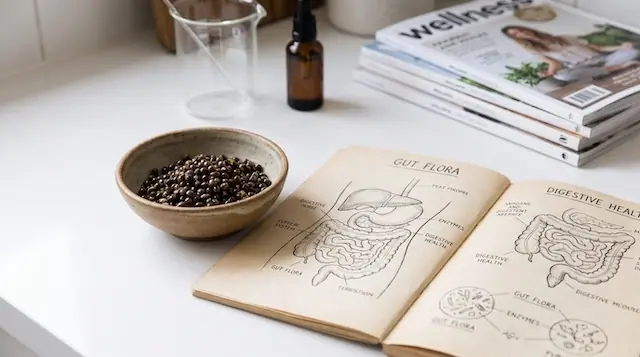
Some early research suggests papaya seeds may help reduce certain intestinal parasites because they contain natural compounds with antimicrobial activity. However, evidence in humans is still limited, and papaya seeds should not replace professional medical treatment for confirmed parasitic infections.
Interest in papaya seeds and parasites comes from traditional medicine practices and a small number of scientific studies. Researchers believe compounds in the seeds may affect the survival of some parasites and harmful microorganisms in the digestive tract.
One small human study found that a mixture containing dried papaya seeds showed promising effects against intestinal parasites in children. Laboratory studies have also explored the antimicrobial properties of papaya seed extracts. Although these findings are encouraging, larger human studies are needed before firm conclusions can be drawn.
What Does Current Research Say?
Researchers are studying several naturally occurring compounds in papaya seeds that may contribute to their antimicrobial activity.
These include:
- Benzyl isothiocyanate
- Polyphenols
- Flavonoids
- Other bioactive plant compounds
These substances may help limit the growth of certain microorganisms under laboratory conditions. However, laboratory and animal studies do not always produce the same results in humans. More clinical research is needed to determine whether papaya seeds are effective for treating intestinal parasites.
Should You Use Papaya Seeds for Parasites?
If you are wondering what happens if you eat papaya seeds for digestive health, most healthy adults can tolerate small amounts without serious issues. Some people include them in natural wellness routines, but individual results can vary.
It is important to remember that symptoms associated with parasites can also be caused by bacterial infections, food intolerances, or digestive disorders. Relying only on home remedies may delay proper diagnosis and treatment.
Seek medical advice if you experience:
- Persistent stomach pain
- Ongoing diarrhea
- Unexplained weight loss
- Fatigue
- Blood in your stool
Healthcare professionals can perform appropriate tests and recommend evidence based treatment when needed.
If you choose to eat papaya seeds, consume them in moderation. Eating larger amounts has not been proven to improve effectiveness and may increase the risk of papaya seed side effects.
Based on current evidence, papaya seeds may support digestive health, but they should not be considered a proven treatment for parasitic infections. The World Health Organization recommends evidence based diagnosis and treatment for confirmed parasitic infections.
Is Papaya Seed Good for Kidneys and Liver Health?
Papaya seed may support kidney health and liver health because it contains antioxidants and plant compounds that help reduce oxidative stress. Some animal and laboratory studies suggest papaya seeds health benefits could include protective effects on these organs, but human research is still limited.
Your kidneys and liver play essential roles in filtering waste, processing nutrients, and supporting overall metabolic health. Researchers have become interested in whether antioxidant rich foods like papaya seeds may help protect these organs from cellular damage.
Potential Benefits for Kidney Health
Several animal studies have explored whether papaya seed extract may help protect kidney tissue from toxin related damage.
Researchers believe this effect may be linked to compounds such as:
- Polyphenols
- Flavonoids
- Natural antioxidants
- Anti inflammatory plant compounds
Oxidative stress can contribute to kidney cell damage over time. Antioxidants may help reduce this stress by neutralizing unstable molecules known as free radicals.
Although these findings are promising, current evidence in humans remains limited. Eating papaya seeds should not be viewed as a treatment for kidney disease or other medical conditions.
Possible Role in Liver Health
Some people also ask how to eat papaya seeds for the liver because of growing interest in natural detox foods and liver supportive diets.
Laboratory and animal research has suggested that papaya seed extract may help reduce inflammation and oxidative damage in liver tissue. Researchers continue to study whether compounds in papaya seeds may support healthy liver function under certain conditions.
However, there is currently no strong clinical evidence showing that papaya seeds can reverse fatty liver disease or cure liver related disorders in humans.
Supporting liver health generally depends on broader lifestyle habits such as:
- Maintaining a balanced diet
- Limiting alcohol intake
- Staying physically active
- Managing blood sugar levels
- Getting regular medical care when needed
Important Considerations Before Using Papaya Seeds
Even though papaya seeds contain beneficial compounds, more is not always better. Consuming large amounts regularly may increase the likelihood of digestive discomfort or other side effects.
If you have existing kidney disease, liver disease, or take medications that affect these organs, it is best to consult a healthcare professional before adding papaya seeds to your routine.
Current research suggests papaya seeds may offer supportive nutritional benefits, but they should be viewed as part of an overall healthy lifestyle rather than a medical solution.
How Many Papaya Seeds Can You Eat Per Day?
Most healthy adults can eat a small amount of papaya seeds per day, typically around 1 teaspoon or a few individual seeds, without major issues. Because papaya seed side effects may increase with excessive intake, moderation is the safest approach until more human research becomes available.
Papaya seeds contain concentrated plant compounds and a strong peppery flavor, so they are usually consumed in small quantities rather than large servings.
If you are trying them for the first time, start slowly and monitor how your body responds.
A practical approach may include:
- Starting with 2 to 3 seeds
- Gradually increasing to about 1 teaspoon if tolerated
- Avoiding large daily amounts over extended periods
- Taking breaks instead of consuming them continuously
Some people ask, are 10 papaya seeds too much? For most healthy adults, this amount is generally considered moderate. However, tolerance varies based on factors such as body size, digestive sensitivity, and overall diet.
There is currently no officially established recommended daily intake for papaya seeds. Most available guidance is based on traditional use patterns and limited research rather than large clinical studies.
Signs You May Be Eating Too Many Papaya Seeds
Eating excessive amounts may increase the risk of digestive discomfort or other unwanted effects.
Possible symptoms can include:
- Nausea
- Stomach irritation
- Diarrhea
- Bloating
- Strong digestive discomfort
Some animal studies have also raised concerns about fertility related effects associated with very high intake levels of papaya seed extract. Human evidence remains limited, but moderation is still advised.
Tips for Safe Consumption
If you want to include papaya seeds in your diet, it is best to use them occasionally rather than treating them as a daily supplement.
You can consume papaya seeds by:
- Chewing them raw
- Mixing them into smoothies
- Crushing them into salad dressings
- Blending them with yogurt or juice
Because papaya seeds are rich in fiber and antioxidants, small servings are usually enough to benefit from their nutritional value without overdoing intake.
People who are pregnant, breastfeeding, have digestive conditions, or take prescription medications should speak with a healthcare professional before consuming papaya seeds regularly.
What Are the Side Effects of Eating Papaya Seeds?
Papaya seed side effects may include digestive discomfort, allergic reactions, and possible fertility concerns when consumed in large amounts. While papaya seeds are edible and nutritious in moderation, excessive intake may expose you to concentrated plant compounds that have not been fully studied in humans.
Most people can tolerate small servings without serious problems. However, eating large quantities regularly may increase the likelihood of unwanted effects.
Digestive Discomfort
Because papaya seeds are rich in fiber and natural compounds, consuming too many at once may irritate the digestive system.
Possible digestive symptoms include:
- Nausea
- Bloating
- Stomach cramps
- Loose stools
- Diarrhea
People with sensitive digestion may notice symptoms even at lower amounts.
Potential Fertility Concerns
Some animal studies using highly concentrated papaya seed extracts have suggested possible effects on sperm production and fertility. However, these findings do not necessarily reflect the effects of eating small dietary amounts of papaya seeds in humans.
Researchers are still studying:
- Long term fertility effects
- Safe intake levels for humans
- Whether occasional consumption carries meaningful risk
There is currently no strong clinical evidence showing that occasional consumption of papaya seeds negatively affects human fertility. Still, moderation is recommended until more long term human research becomes available.
Allergic Reactions
Papaya may trigger allergic reactions in some individuals, especially those with latex sensitivity.
Symptoms can include:
- Itching
- Swelling
- Skin irritation
- Breathing discomfort in severe cases
If you experience signs of an allergic reaction after eating papaya seeds, stop consuming them and seek medical attention.
Possible Medication Interactions
Papaya seeds contain bioactive compounds that may interact with certain medications, particularly those related to blood clotting or digestion.
If you take prescription medications or have a chronic medical condition, speak with a healthcare professional before consuming papaya seeds regularly.
Why Moderation Matters
One of the most important things to understand about papaya seeds health benefits is that more is not always better. Many studies examining potential risks used concentrated extracts or unusually high doses rather than normal food portions.
Using papaya seeds occasionally as part of a balanced diet is very different from consuming large amounts every day.
A moderate intake paired with a nutrient rich diet remains the safest and most practical approach for most healthy adults.
Are You Supposed to Chew or Swallow Papaya Seeds?
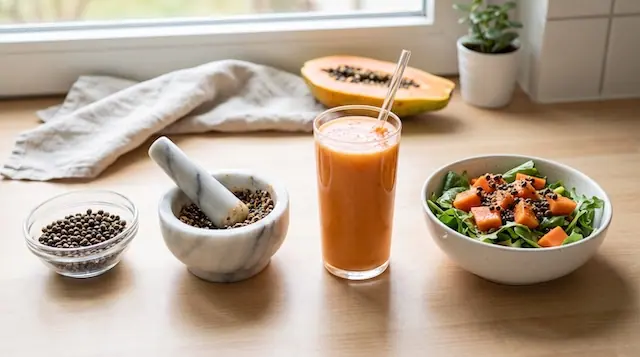
You can either chew or swallow papaya seeds, but chewing them may help release more of their natural compounds and nutrients. Many people who eat papaya seeds prefer chewing or crushing them because the seeds contain fiber, antioxidants, and plant compounds concentrated inside the outer layer.
Papaya seeds have a sharp, peppery flavor that some people enjoy while others find bitter. The taste is often compared to black pepper or mustard seeds.
If you swallow whole papaya seeds, they will still pass through your digestive system, but chewing may improve digestion and nutrient availability.
Common Ways to Eat Papaya Seeds
If you are wondering how to consume papaya seeds correctly, there are several simple options depending on your taste preference.
Popular methods include:
- Chewing a few raw seeds directly
- Crushing them over salads
- Blending them into smoothies
- Mixing them into yogurt
- Drying and grinding them as a seasoning
Some people also boil or dry papaya seeds before eating them to reduce bitterness.
Should You Eat Them Raw or Processed?
Raw papaya seeds retain their natural nutrients and bioactive compounds, including polyphenols and flavonoids. However, their strong taste can be intense for first time users.
Drying or lightly crushing the seeds may make them easier to consume while still preserving much of their nutritional value.
There is no single best preparation method. The safest approach is choosing a small amount that fits comfortably into your diet.
Tips for First Time Use
If you have never tried papaya seeds before, start with a very small serving and pay attention to how your body responds.
Helpful tips include:
- Begin with 2 to 3 seeds
- Eat them alongside food to reduce digestive discomfort
- Avoid consuming large quantities at once
- Drink enough water because of the fiber content
Since papaya seeds are concentrated in flavor and plant compounds, small portions are usually enough for most people.
Whether you chew or swallow them, moderation remains important to reduce the chance of papaya seed side effects while still benefiting from their nutritional profile.
Who Should Not Eat Raw Papaya Seeds?
Some people should avoid or limit raw papaya seeds because papaya seed side effects may be more likely in sensitive individuals or those with certain medical conditions. While papaya seeds are edible for many healthy adults, they may not be appropriate for everyone, especially in large amounts or frequent servings.
Understanding who should use caution can help you make safer dietary decisions.
Pregnant and Breastfeeding Individuals
Pregnant individuals are often advised to avoid excessive amounts of papaya seeds because research on safety during pregnancy remains limited.
Some compounds found in papaya, particularly in unripe fruit and concentrated seed extracts, have raised concerns in animal studies related to reproductive health. Human evidence is still not conclusive, but moderation and medical guidance are recommended.
Breastfeeding individuals should also consult a healthcare professional before consuming papaya seeds regularly.
People With Latex Allergies
Papaya contains natural compounds that may trigger reactions in people with latex sensitivity.
Possible symptoms include:
- Itching
- Swelling
- Skin irritation
- Digestive discomfort
- Breathing problems in severe cases
If you have experienced allergic reactions to papaya or latex related foods before, it is safest to avoid papaya seeds unless approved by a healthcare provider.
Individuals With Digestive Conditions
Because papaya seeds are high in fiber and contain potent plant compounds, they may irritate sensitive digestive systems.
People with conditions such as:
- Irritable bowel syndrome
- Chronic gastritis
- Stomach ulcers
- Inflammatory bowel conditions
may experience increased discomfort after eating raw papaya seeds.
Starting with very small amounts or avoiding them altogether may be the safer option for sensitive individuals.
People Taking Certain Medications
Papaya seeds contain bioactive compounds that may interact with medications related to blood clotting, digestion, or metabolic health.
If you take prescription medications regularly, especially blood thinning medications, it is important to discuss papaya seed consumption with a healthcare professional.
Children and People Sensitive to Strong Foods
Young children and people with low tolerance for bitter or spicy foods may not tolerate papaya seeds well because of their concentrated flavor and active compounds.
Even for healthy adults, moderation matters. Small amounts are generally safer than frequent large servings.
Understanding both the benefits of papaya seeds and the situations where caution is necessary can help you make informed choices that support your overall digestive health and wellness.
Final Thoughts
Can you eat papaya seeds safely? For most healthy adults, the answer is yes when they are consumed in small amounts and as part of a balanced diet. Papaya seeds provide fiber, antioxidants, healthy fats, and plant compounds that may support digestive health, kidney health, and overall wellness.
At the same time, papaya seed side effects are important to understand. Eating excessive amounts may lead to digestive discomfort, and certain groups such as pregnant individuals, people with allergies, or those taking specific medications should use caution.
Current research on papaya seeds health benefits continues to grow, especially in areas related to gut health, antioxidants, and natural antimicrobial properties. However, many studies are still limited, and papaya seeds should not replace professional medical care or proven treatments.
If you decide to try papaya seeds, start with a small amount, pay attention to how your body responds, and focus on moderation rather than large servings. Used thoughtfully, papaya seeds can be a nutritious addition to a healthy and varied diet.
Frequently Asked Questions
Q: How to eat papaya seeds daily?
A: You can eat papaya seeds daily by chewing a small amount raw, blending them into smoothies, or mixing them with yogurt or salads. Since papaya seeds are edible and rich in antioxidants and fiber, moderation is recommended to support digestive health.
Q: Can I eat papaya seeds directly?
A: Yes, you can eat papaya seeds directly, either raw or dried, but they have a strong peppery taste. Many people start with a few seeds because eating too many at once may increase the risk of papaya seed side effects.
Q: How long do papaya seeds take to work?
A: How long papaya seeds take to work depends on the reason they are being used, diet, and individual digestion. Some people notice digestive effects within days, but research on papaya seeds health benefits and intestinal parasites is still limited.
Q: Can papaya seeds help with weight loss?
A: Papaya seeds may help with weight loss because they contain fiber and beneficial plant compounds that can support digestion and help you feel full longer. As part of a balanced diet, healthy seeds like papaya seeds may complement overall wellness and tropical fruit benefits.
Q: Can I boil papaya seeds?
A: Yes, you can boil papaya seeds, although heat may slightly reduce some antioxidants and active compounds. Boiled papaya seeds are sometimes added to teas or natural detox foods for a milder flavor and easier consumption.
